Spiti
Averaging 3,800m · a trans-Himalayan cold desert in the rain shadow of the main range — home to our Frozen Spiti winter expedition.
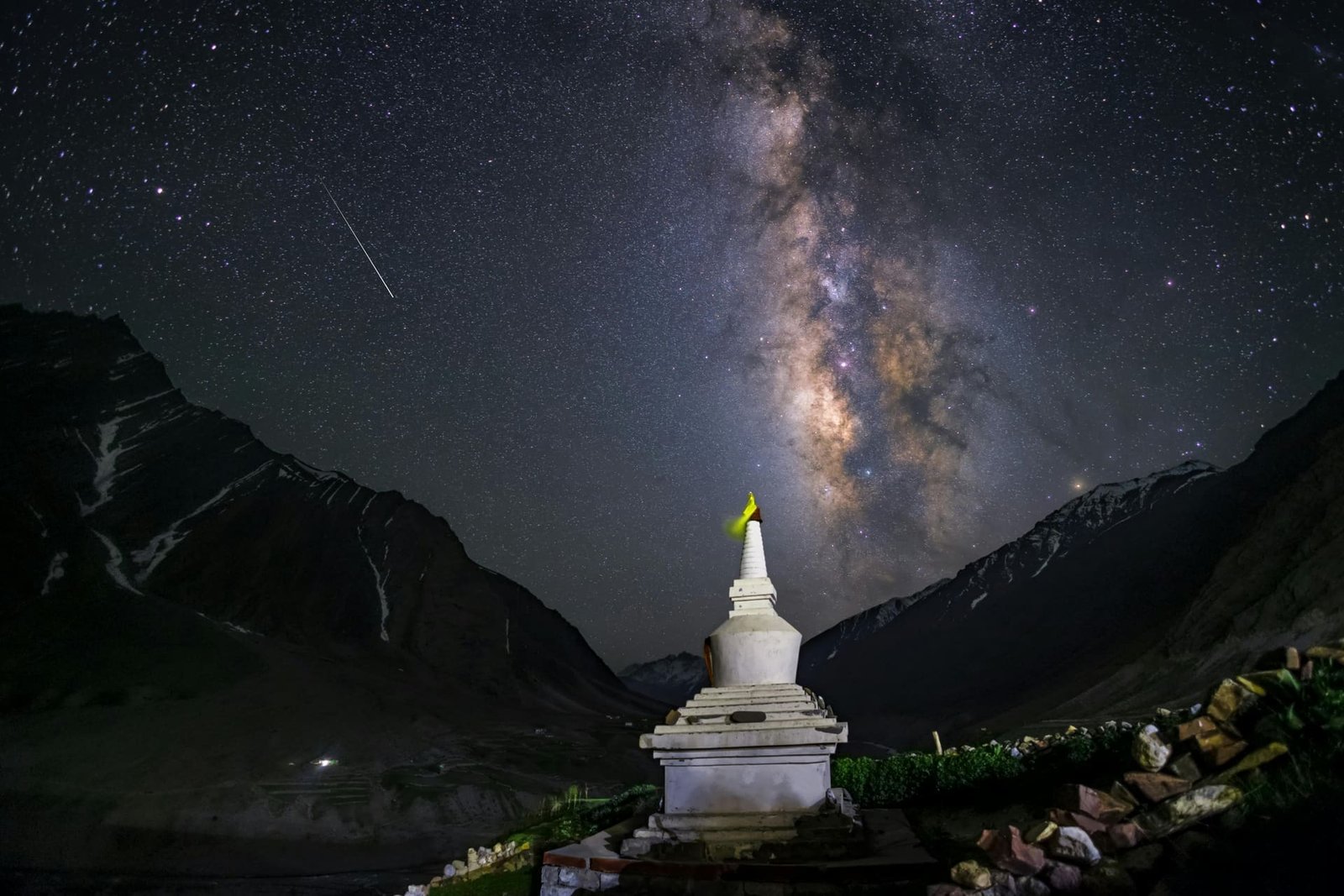
The moon looks a lot like this, apparently.
Spiti sits in the rain shadow of the Himalaya, so instead of the green valleys most of Himachal is known for, you get bare rock, wide river beds, and villages that look almost carved into the landscape. Kaza, the sub-divisional headquarters, sits at roughly 3,800m and functions as the valley's base for most routes.
It's remote enough that the road in still closes seasonally, which is exactly why our Frozen Spiti Valley trip — ice climbing, snowbound monasteries, snowshoeing, 7 nights / 8 days, run November through February — draws people back every winter.
Monasteries first, then a lake that turns silver.
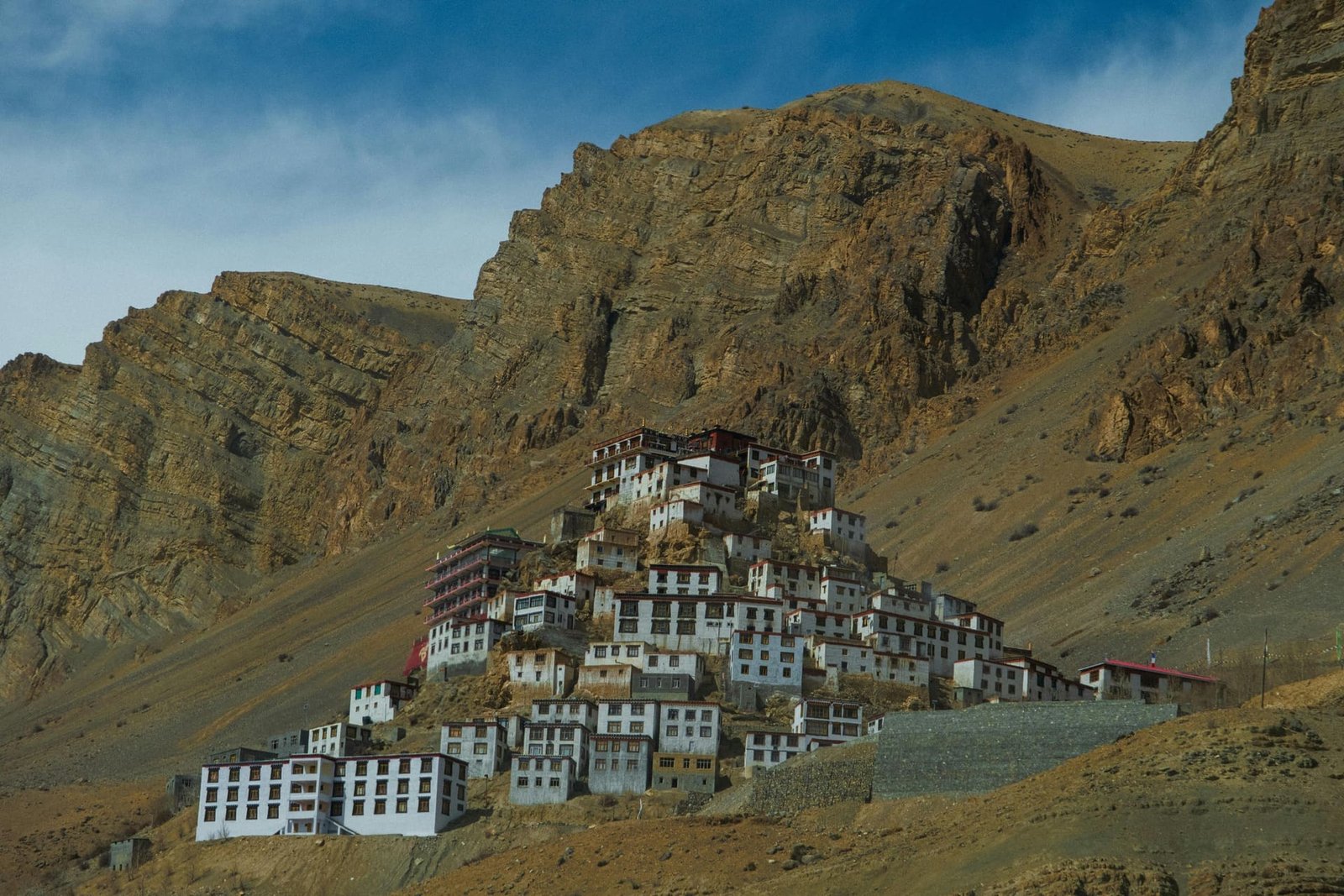
- 01Key MonasterySpiti's largest, perched on a hilltop above the river — the valley's most recognizable image.
- 02Tabo MonasteryOver a thousand years old, sometimes called the "Ajanta of the Himalayas" for its wall paintings.
- 03Chandratal LakeA crescent-shaped alpine lake at roughly 4,300m, reachable only in summer.
- 04Dhankar Monastery & LakeA cliffside former capital of Spiti, with a small lake in a short walk above it.
- 05Kibber & KomicAmong the highest motorable villages in the world, both an easy add-on from Kaza.
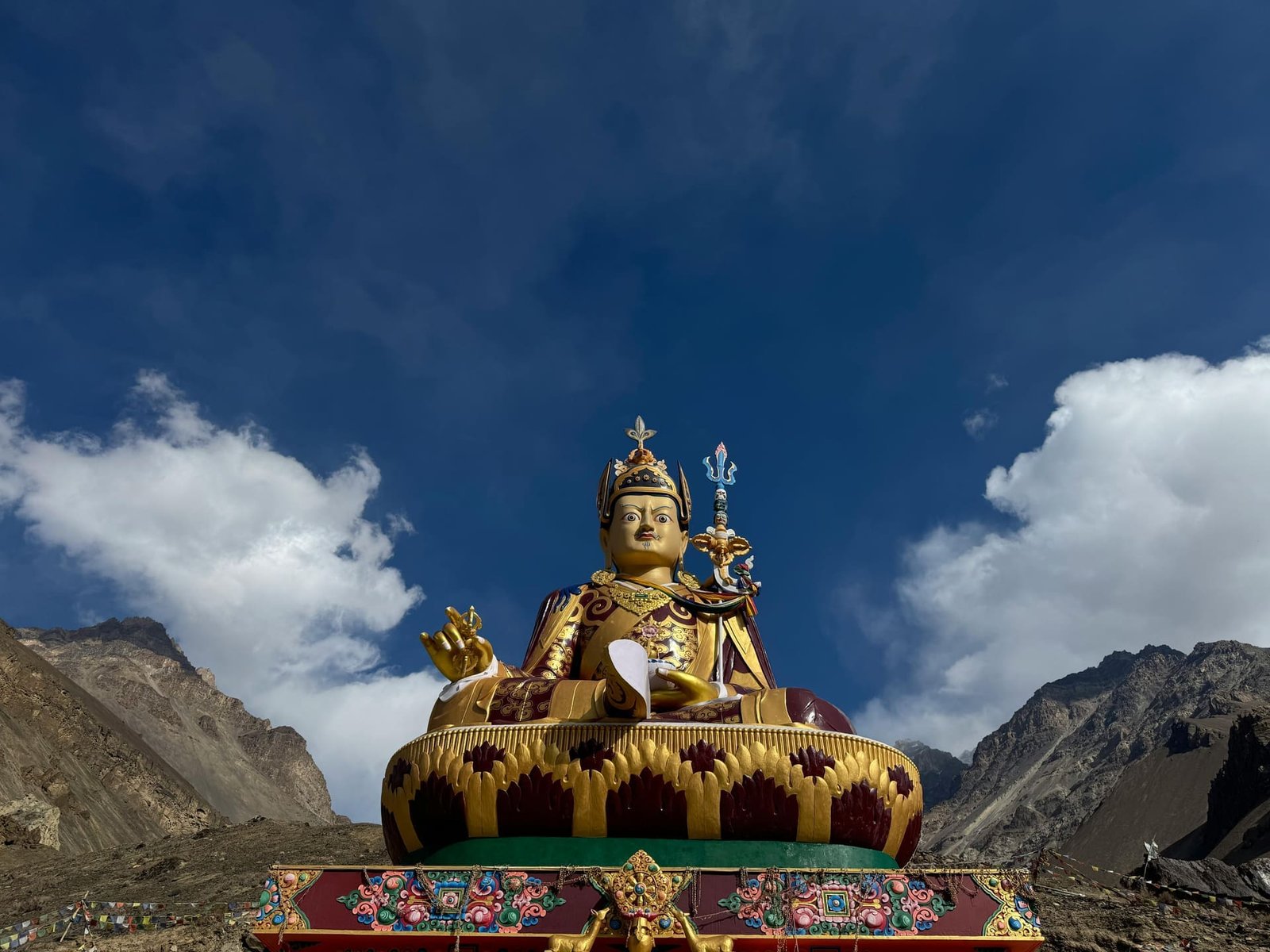
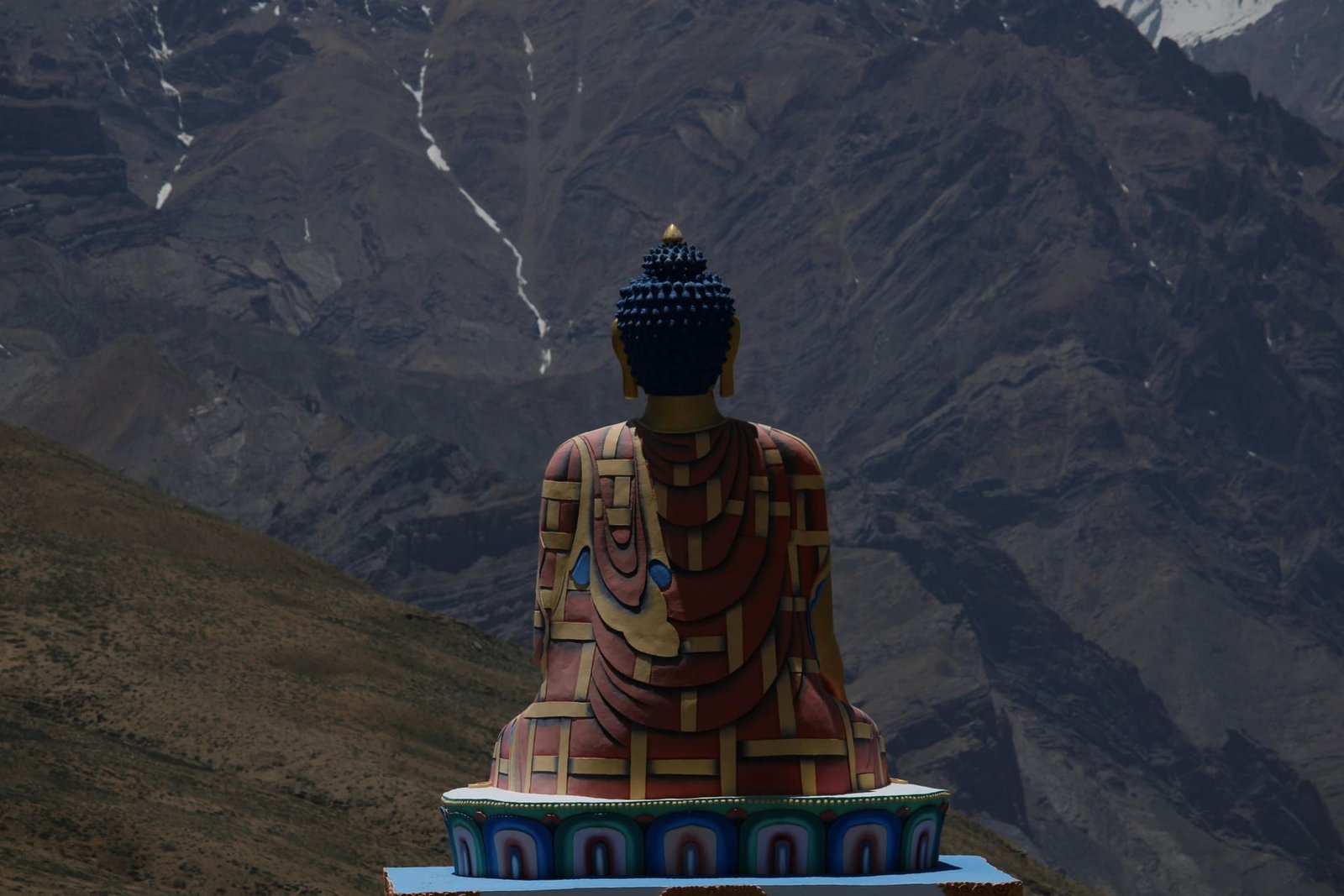
- 06LangzaA fossil village with a giant Buddha statue overlooking the valley — marine fossils are still found in the surrounding hills.
Frozen Spiti Valley — 7 nights, 8 days.
Running November through February, this is Spiti at its starkest — frozen waterfalls for ice climbing, monasteries under snow, and valley floors quiet enough to hear your own footsteps in the snow. It's the trip we get asked about most, and one we've been refining every winter since we started running it.
Best time & getting here.
Best Time to Visit
May–October for the full valley including Chandratal, when the Manali–Kunzum route is open. December–February for our Frozen Spiti winter expedition via the Kinnaur route.
Getting Here
Via Shimla–Reckong Peo–Kaza (~412 km, stays open longer into winter) or via Manali–Kunzum Pass in summer only. We plan the route by season.
Activities
Monastery visits, high-altitude trekking, stargazing (near-zero light pollution), fossil hunting at Langza, winter ice climbing and snowshoeing.
Good To Know
Altitude sickness is a real consideration above 3,500m — we build acclimatization days into every Spiti itinerary rather than rushing straight to Kaza.