Zanskar
Remote and historically isolated — Class III–V rafting in summer, and the frozen-river Chadar trek every winter.
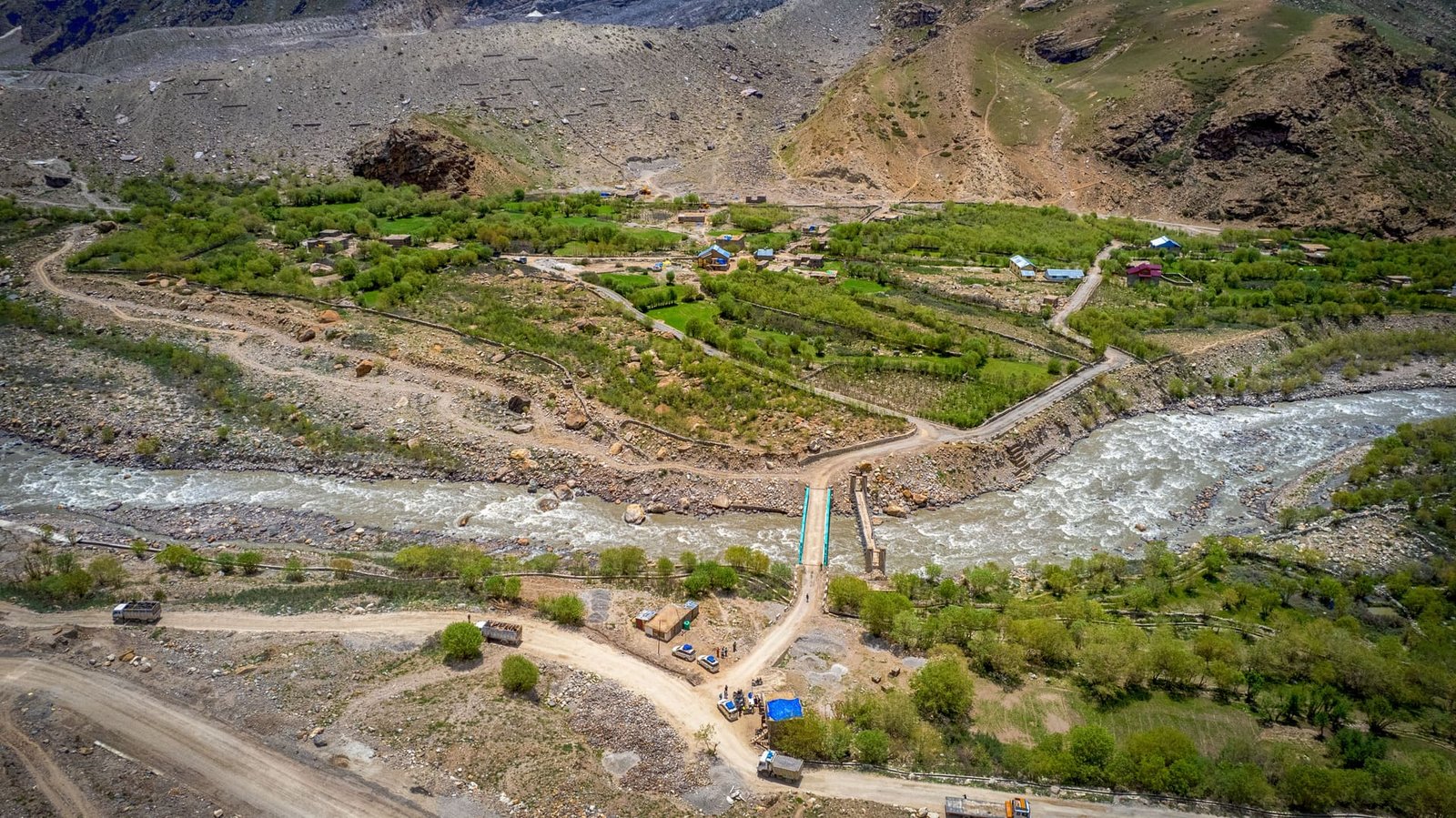
Two Zanskars: the summer river, the winter ice.
Zanskar sits south of the main Ladakh range, cut off from the rest of the region for much of the year — which is exactly what's kept it so distinct. In summer, the Zanskar River offers some of the most serious whitewater rafting in India, Class III to V depending on the stretch. In winter, when the river freezes solid, it becomes the route for the Chadar trek — walking on the ice itself, past villages that have no other way out until spring.
Padum is the region's main town and usual base, with Karsha and Phuktal monasteries among the more remarkable stops nearby.
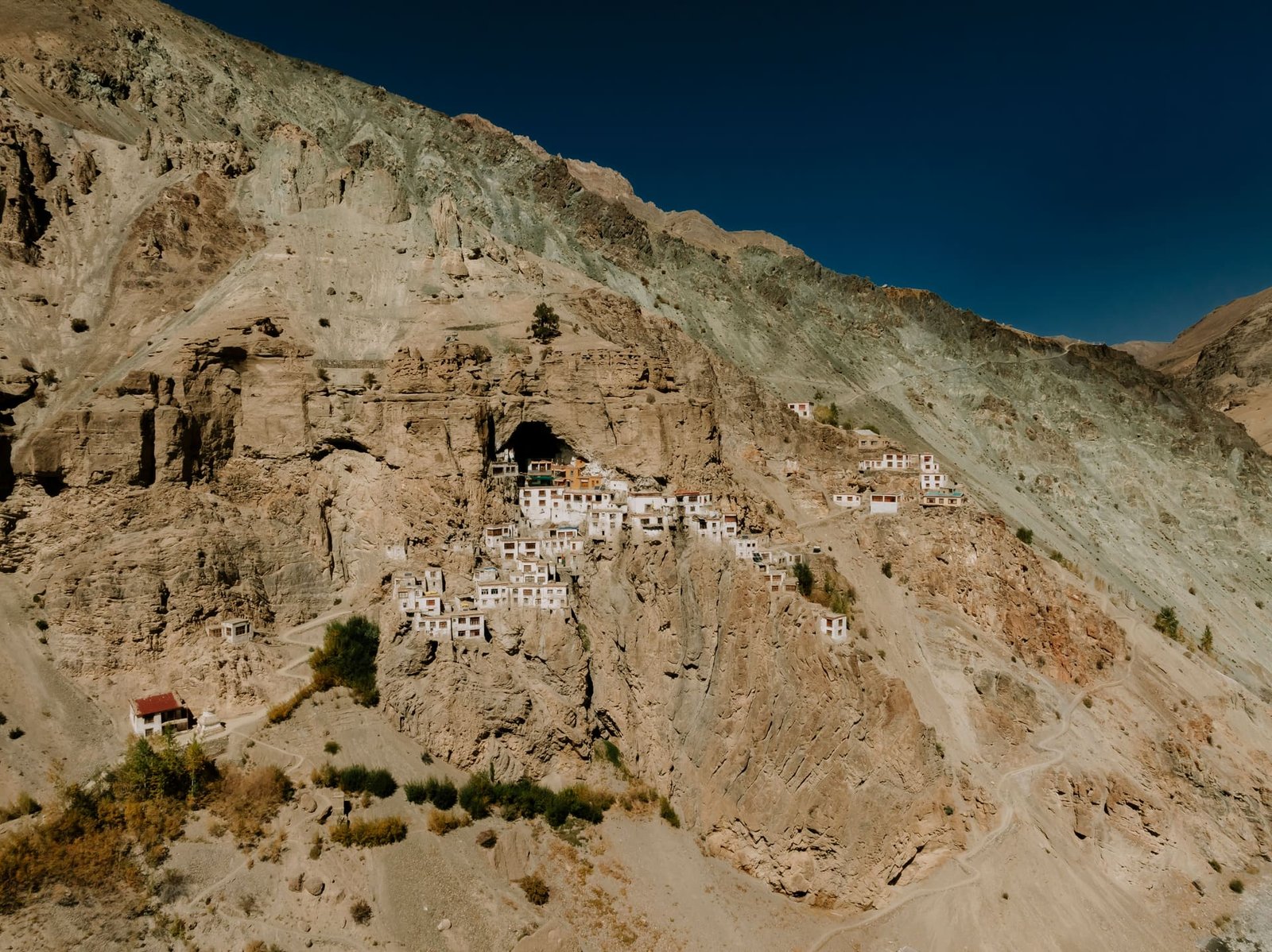
Monasteries that outlasted the isolation.
- 01Phuktal MonasteryBuilt directly into a cliff cave, reachable only on foot — no road has ever gone there.
- 02Karsha MonasteryZanskar's largest monastery, stacked up a hillside above Padum.
- 03PadumThe region's main town and usual base, with the valley's basic supplies and transport links.
- 04ZanglaSite of Zanskar's old royal palace, once the seat of a small Himalayan kingdom.
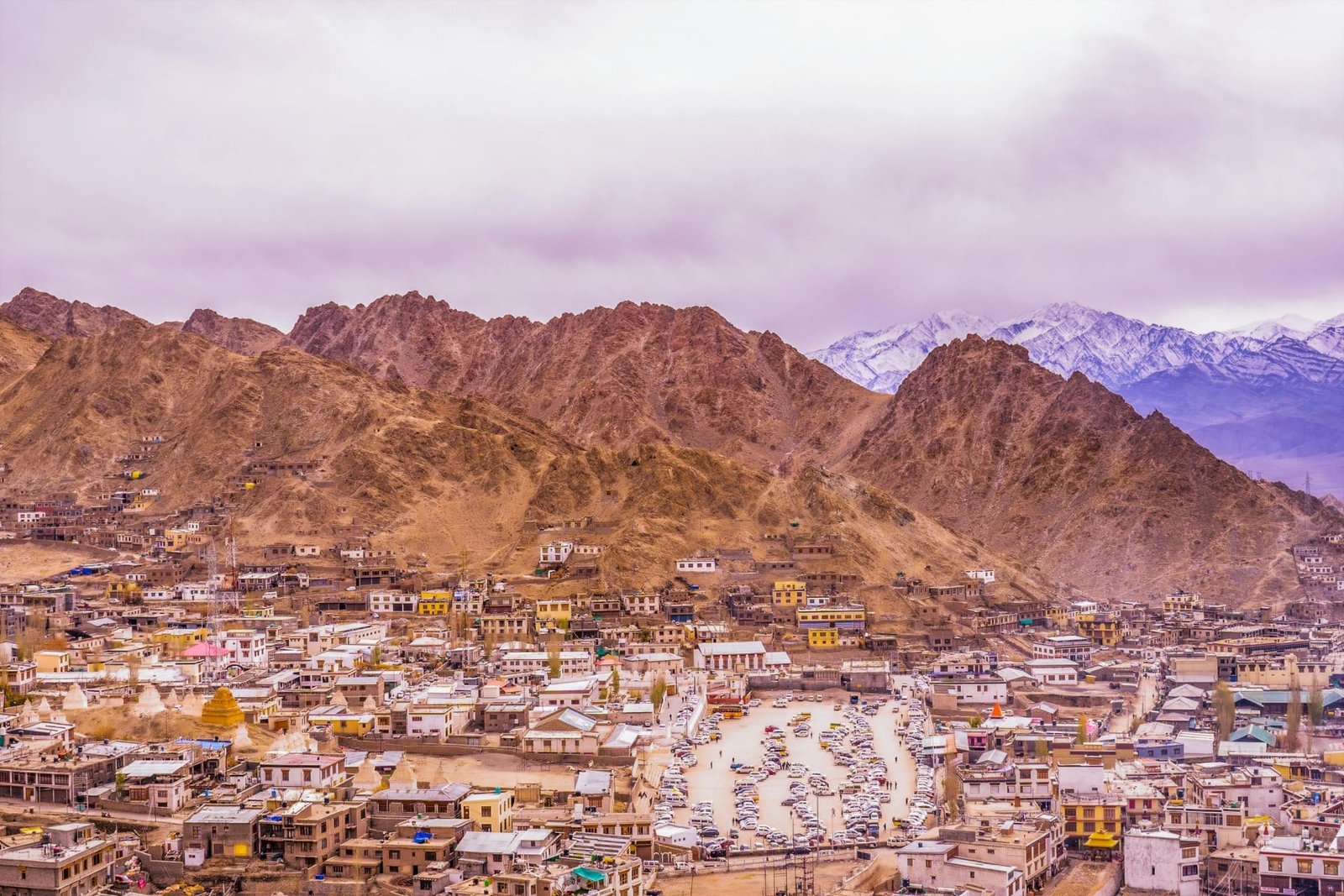
The Zanskar Range Expedition.
Advanced trekking and Class III–V rafting on the Zanskar River, run every July through September. This is a serious-adventure trip, not a scenic add-on — licensed river guides, proper safety equipment, and routes matched to the group's actual rafting experience.
Best time & getting here.
Best Time to Visit
June–September for rafting and trekking. January–February for the Chadar trek, an expert-level winter route.
Getting Here
Via Kargil in summer, or the seasonal Kargil–Padum road. Winter access for Chadar is on foot, from the road head near Chilling.
Activities
Whitewater rafting, high-altitude trekking, monastery visits, and the Chadar frozen-river trek in season.
Good To Know
The Chadar trek is genuinely demanding — we assess fitness and cold-weather experience honestly before confirming a booking.